
Medical treatment in Germany
Hospitals in our network, travel, visa, payment and language guidance for international patients planning treatment in Germany.

Treatment in Germany
Germany is renowned for its cutting‑edge medical research and high standards of patient care. International patients are drawn to its blend of advanced technology, experienced specialists, and a strong focus on safety and quality.
Hospitals in Germany
View all Listed
 Listed
 Listed
 Listed
 Listed
 Listed
 Listed
 Listed
 Listed
 Listed
 Listed
 Listed
Medical visa
International visitors should verify the appropriate visa requirements for Germany on the official government visa website or by contacting the nearest German embassy. Our team can provide guidance on the documentation needed, but the final confirmation must come from the official sources.
Travel
Germany is well‑connected by a network of modern airports such as Frankfurt, Munich, Berlin Brandenburg, and Hamburg, all offering direct flights from major global hubs. Public transportation is efficient, with reliable trains, trams, and buses that make traveling between cities and to hospital locations straightforward. When planning your trip, consider the climate—mild springs and autumns are ideal for travel, while winter may require warmer clothing, especially in southern regions like Heidelberg and Munich.
Payment
Payment for medical services in Germany can be arranged through a variety of methods, including direct billing to your insurance provider, private payment, or third‑party financing. Get Well Tour will work with you to understand the billing process of the chosen hospital and help coordinate any necessary paperwork, ensuring transparency and peace of mind throughout your treatment journey.
Language support
German is the official language, and English is widely spoken in medical settings, especially in university hospitals and larger clinics. Our coordinators and translators are available to bridge any language gaps, ensuring that you fully understand your treatment plan, consent forms, and post‑procedure instructions.
Visa rules can change. Please confirm the current requirements on the official visa website of your destination country or its mission in your country before you travel.
Patients choose Germany for its long‑standing reputation in clinical excellence and innovation. The country’s hospitals are often affiliated with leading universities, providing access to the latest treatment protocols and clinical trials. German medical centers are known for meticulous attention to detail, rigorous hygiene standards, and a patient‑centred approach that emphasizes clear communication and comprehensive after‑care.
Among the most sought‑after treatments are oncology therapies, cardiac interventions, orthopaedic surgeries, and organ transplantation. Germany is a pioneer in proton and ion‑beam therapy, offering precise radiation options for cancer patients. Cardiology services range from minimally invasive procedures to complex cardiac surgery, while orthopaedic departments excel in joint replacement and spine surgery. The country’s expertise in rare diseases and paediatric care also attracts families seeking specialized attention.
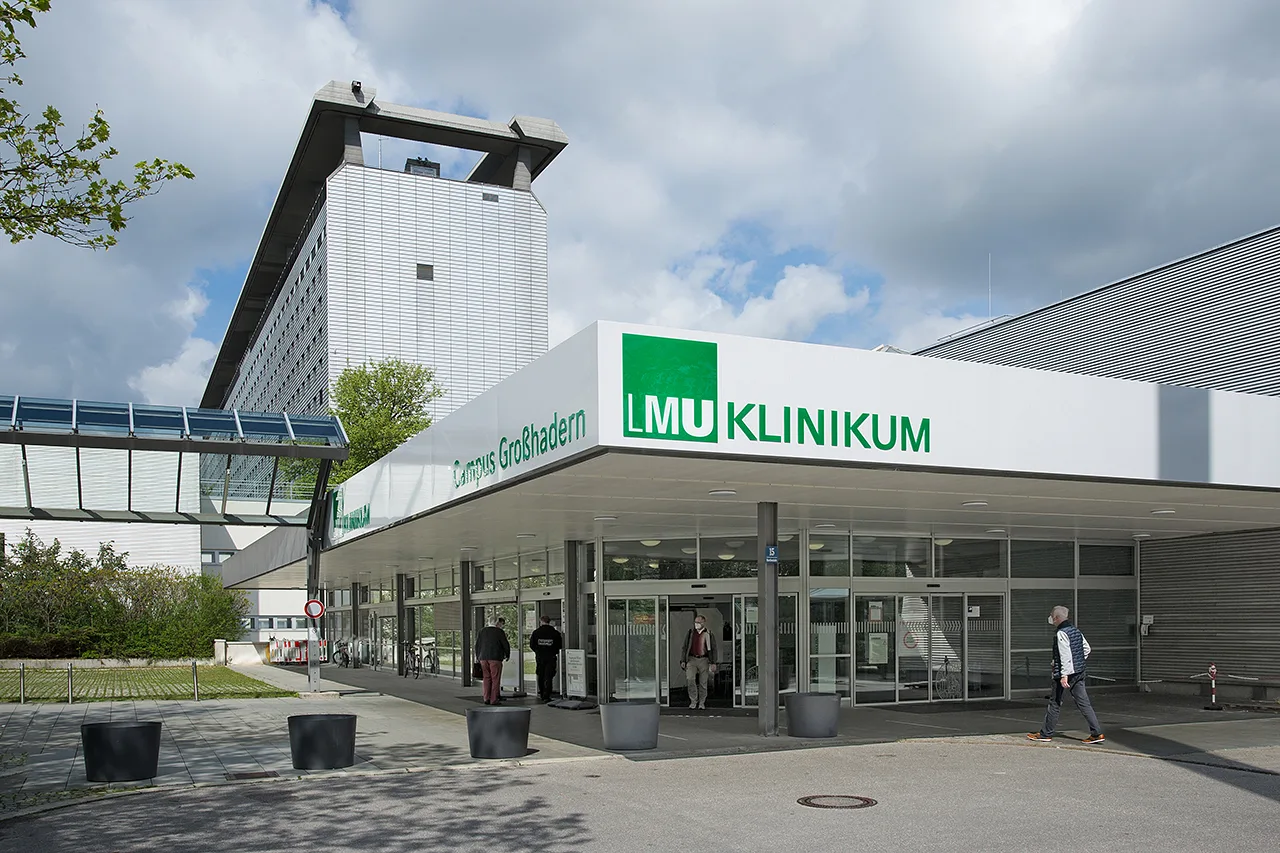
Key medical hubs include Berlin, Hamburg, Munich, Cologne, Frankfurt, Heidelberg, Tübingen, Essen, and Cologne. In Berlin, patients can access Charite – Universitaetsmedizin Berlin and Helios Klinikum Berlin‑Buch. Hamburg hosts Asklepios Klinik St. Georg and University Medical Center Hamburg‑Eppendorf. Munich offers Klinikum rechts der Isar (TUM), LMU Klinikum Munich, and Schoen Klinik Muenchen Harlaching. Other notable facilities are University Hospital Cologne, University Hospital Essen, University Hospital Frankfurt, University Hospital Tuebingen, and Heidelberg University Hospital. Each centre provides a range of specialties such as oncology, cardiology, neurosurgery, organ transplant, and paediatrics.
When evaluating a German hospital, look for internationally recognised accreditations such as Joint Commission International (JCI), ISO 9001, and certifications from the German Cancer Society or the German Society of Cardiology. These endorsements confirm adherence to strict quality and safety protocols. Many institutions also participate in European Reference Networks, which facilitate collaboration on complex cases and ensure that patients receive care that meets the highest European standards.
Get Well Tour simplifies the entire journey, from the initial consultation to post‑treatment follow‑up. Our team coordinates appointments with the chosen hospital, arranges airport transfers, and secures comfortable accommodation close to the medical facility. We provide multilingual support, assist with medical documentation translation, and help organise any required pre‑treatment tests. Throughout the stay, a dedicated care coordinator is available to address questions, manage medication schedules, and ensure a smooth transition back home.
Practical planning is essential for a stress‑free experience. Germany’s major international airports—Frankfurt, Munich, Berlin Brandenburg, and Hamburg—offer convenient connections from most regions. The climate varies by season; spring and early autumn provide mild temperatures, while winter can be cold, especially in southern cities. Pack appropriate clothing and consider any mobility needs if you will be undergoing orthopaedic procedures. Travel insurance that covers medical tourism is advisable, and it’s helpful to bring a copy of your medical records in both your native language and English.
Before departure, gather all relevant health information, including imaging, lab results, and medication lists. Confirm that your health insurance or private payer will support international treatment, and discuss any out‑of‑pocket responsibilities with Get Well Tour’s financial advisors. After your procedure, follow the hospital’s after‑care plan and maintain regular contact with your local physician to monitor recovery. Our team can assist with arranging follow‑up appointments, either virtually or during a future visit, ensuring continuity of care.
Guides for Germany
- Medical Treatment in Germany: A Guide for International Patients
A clear, step‑by‑step guide for international patients seeking medical care in Germany, covering preparation, travel, and support.
- Planning a Medical Trip to Germany: Travel, Stay and Recovery
A calm guide to navigating travel, accommodation and recovery for a medical visit to Germany, with practical steps and helpful tips.
- Top Hospitals in Germany for International Patients
Explore leading German hospitals for international patients. Learn about specialties, preparation, and how to navigate medical travel with confidence.
Frequently asked questions
How do I choose the right hospital for my specific condition?
Our specialists review your medical history and treatment goals, then match you with a hospital that has proven expertise in your area, such as oncology, cardiology, or orthopaedics, using the facilities listed in our network.
What support does Get Well Tour provide during my stay?
We arrange airport transfers, accommodation near the hospital, translation services, a personal care coordinator, and assistance with any medical documentation or follow‑up appointments.
Will my home‑country insurance cover treatment in Germany?
Coverage varies by policy. We recommend contacting your insurer early to confirm eligibility and any required pre‑authorisation. Our financial advisors can help you understand any additional costs.
What should I bring for my medical appointments?
Bring a complete set of medical records, including imaging, lab results, medication lists, and any previous treatment summaries. Having these documents in both your native language and English can speed up the consultation process.
How can I stay in touch with my doctors after returning home?
Many German hospitals offer tele‑medicine follow‑up services. Get Well Tour can help schedule virtual consultations and ensure that your post‑treatment care plan is shared with your local physician.