
Medical treatment in South Korea
Hospitals in our network, travel, visa, payment and language guidance for international patients planning treatment in South Korea.

Treatment in South Korea
South Korea has become a leading destination for medical travelers seeking cutting‑edge care combined with a modern, comfortable environment. Its hospitals are renowned for high‑tech treatments, especially in oncology, organ transplantation, and advanced surgery.
Hospitals in South Korea
View all Listed
 Listed
 Listed
 Listed
 Listed
 Listed
 Listed
 Listed
 Listed
 Listed
 ListedListed
Medical visa
Most visitors will need a short‑term visa for medical purposes. Requirements vary by nationality, so please confirm the latest information on the official government visa website or contact your nearest South Korean embassy before you travel.
Travel
International travelers typically arrive at Incheon International Airport, which offers direct connections to Seoul, Suwon, and Seongnam via high‑speed rail, airport buses, or taxis. The climate ranges from hot, humid summers to cold, dry winters, so packing appropriate clothing is advisable. South Korea’s efficient public transport system makes it easy to navigate between medical facilities, tourist sites, and accommodation.
Payment
Payments can be made by credit card, bank transfer, or through international insurance providers that cover overseas treatment. Our team will work with you and the hospital’s billing department to clarify any pre‑authorizations, documentation, and post‑treatment settlement procedures.
Language support
Korean is the official language, but many major hospitals in Seoul, Suwon, and Seongnam have English‑speaking staff and translation services. Signage in airports and public transport is often bilingual, and you will find English menus and information in most tourist areas.
Visa rules can change. Please confirm the current requirements on the official visa website of your destination country or its mission in your country before you travel.
Patients are drawn to South Korea for its blend of sophisticated medical technology and a culture that values meticulous patient care. The country invests heavily in research and development, ensuring that the latest devices and procedures are available in its major hospitals. Moreover, the Korean healthcare system emphasizes cleanliness, efficiency, and a patient‑centered approach, which gives international visitors confidence in the quality of treatment they receive.
Among the most sought‑after specialties are oncology, organ transplantation, robotic and minimally invasive surgery, spine care, and cosmetic procedures. South Korean clinicians have pioneered proton therapy for cancer, performed complex heart surgeries, and refined techniques in facial contouring and rhinoplasty. The country’s expertise in these areas makes it an attractive option for patients who need specialized interventions that may not be widely available elsewhere.
Seoul, the capital, is the primary hub for medical tourism, offering a concentration of world‑class hospitals, easy airport access, and a vibrant urban setting. Suwon, located just south of Seoul, provides a quieter environment while still hosting top‑tier facilities. Seongnam, a satellite city of Seoul, adds another layer of options for patients preferring a suburban atmosphere. Incheon International Airport serves as the main gateway, with efficient rail and road links to all three cities.
Our Get Well Tour network includes the following hospitals, organized by city:
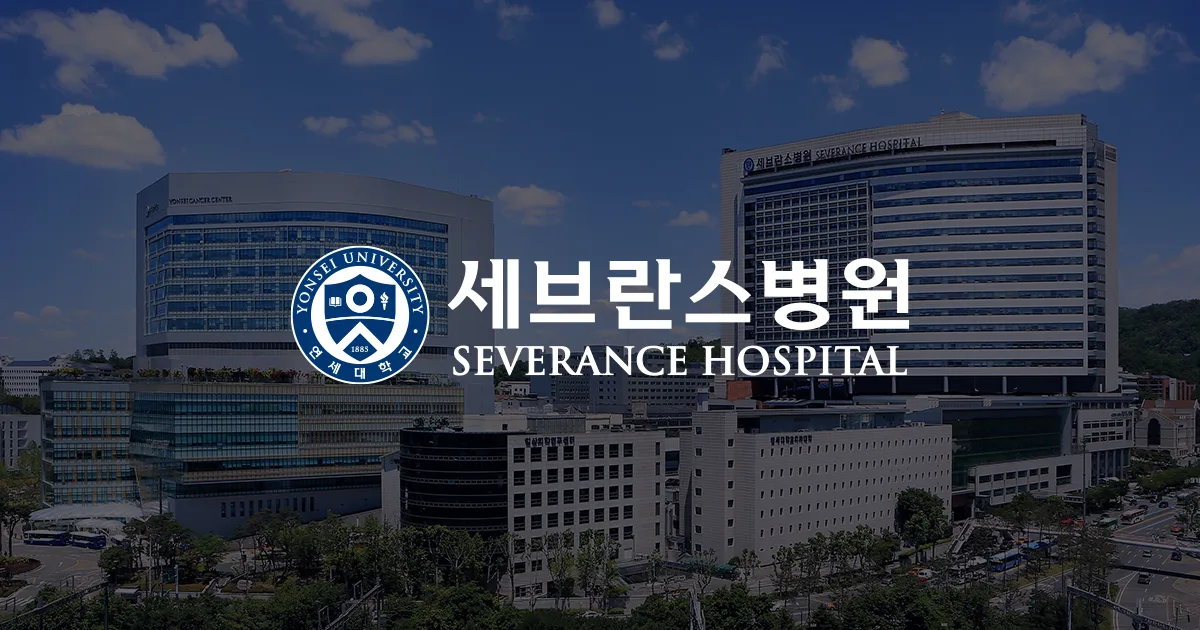
- **Seoul**: Asan Medical Center, Gangnam Severance Hospital, ID Hospital, JK Plastic Surgery Center, Korea University Anam Hospital, Samsung Medical Center, Seoul National University Hospital, Seoul St. Marys Hospital, Severance Hospital (JCI accredited), Wooridul Spine Hospital.
- **Suwon**: Ajou University Hospital.
- **Seongnam**: Seoul National University Bundang Hospital.
Each facility offers a range of services as listed in our data, from organ transplants and oncology at Asan Medical Center to spine surgery at Wooridul Spine Hospital and cosmetic procedures at ID Hospital.
When evaluating a hospital, international patients often look for accreditation such as Joint Commission International (JCI) certification, which signals adherence to global safety and quality standards. Many Korean institutions also participate in international clinical trials and maintain rigorous infection‑control protocols. Patients should verify accreditation status directly with the hospital and consider factors such as surgeon experience, facility infrastructure, and post‑operative support.
Planning a medical trip with Get Well Tour begins with a confidential health assessment, where we match your clinical needs with the most suitable hospital and specialist. We then create a personalized itinerary that includes appointment scheduling, airport transfers, accommodation, and a dedicated care coordinator who assists you throughout your stay. Our team also helps arrange any required medical records, translation services, and follow‑up care plans to ensure a seamless experience.
Beyond the clinical aspects, South Korea offers a welcoming environment for recovery. Visitors can enjoy clean, modern hotels, easy access to public transportation, and a variety of dining options that cater to dietary restrictions. Many hospitals provide on‑site patient lounges, multilingual staff, and assistance with daily activities, allowing you to focus on healing while experiencing the country’s rich culture and hospitality.
Guides for South Korea
- Medical Treatment in South Korea: A Guide for International Patients
Plan medical care in South Korea with a clear guide on hospitals, visas, and logistics. Learn how to prepare for treatment and recovery abroad.
- Planning a Medical Trip to South Korea: Travel, Stay and Recovery
A calm guide to arranging travel, stay and recovery for a medical journey to South Korea, with practical steps and helpful resources.
- Top Hospitals in South Korea for International Patients
Explore South Korea’s leading hospitals for international patients, their key specialties, and practical tips for a safe medical journey.
Frequently asked questions
How do I choose the right hospital for my condition?
Our specialists review your medical records and discuss your treatment goals, then recommend a hospital and doctor from our network that best matches your needs and preferred location.
Will I have access to English‑speaking doctors and nurses?
Yes, all hospitals in our network have multilingual staff or professional interpreters available to ensure clear communication throughout your care.
What support does Get Well Tour provide during my stay?
We assign a personal care coordinator who assists with appointments, transportation, accommodation, translation, and any other logistical needs you may have.
Can I combine my treatment with a short vacation?
Absolutely. Our itineraries can include leisure time, allowing you to explore cultural sites, enjoy local cuisine, or relax in nearby wellness facilities after your medical appointments.
How do I handle follow‑up care after returning home?
We help arrange post‑treatment reports, tele‑consultations with your Korean specialist, and coordinate with your local physician to ensure continuity of care.